Problem Diagnosis

We've seen
this before

Years of solving business problems means we spot patterns faster. We ask the right questions because we've learned which answers actually matter.

Diagnosing the problem

Experience

Patterns we've seen

Approach

Right questions first

Promise

Honest answers
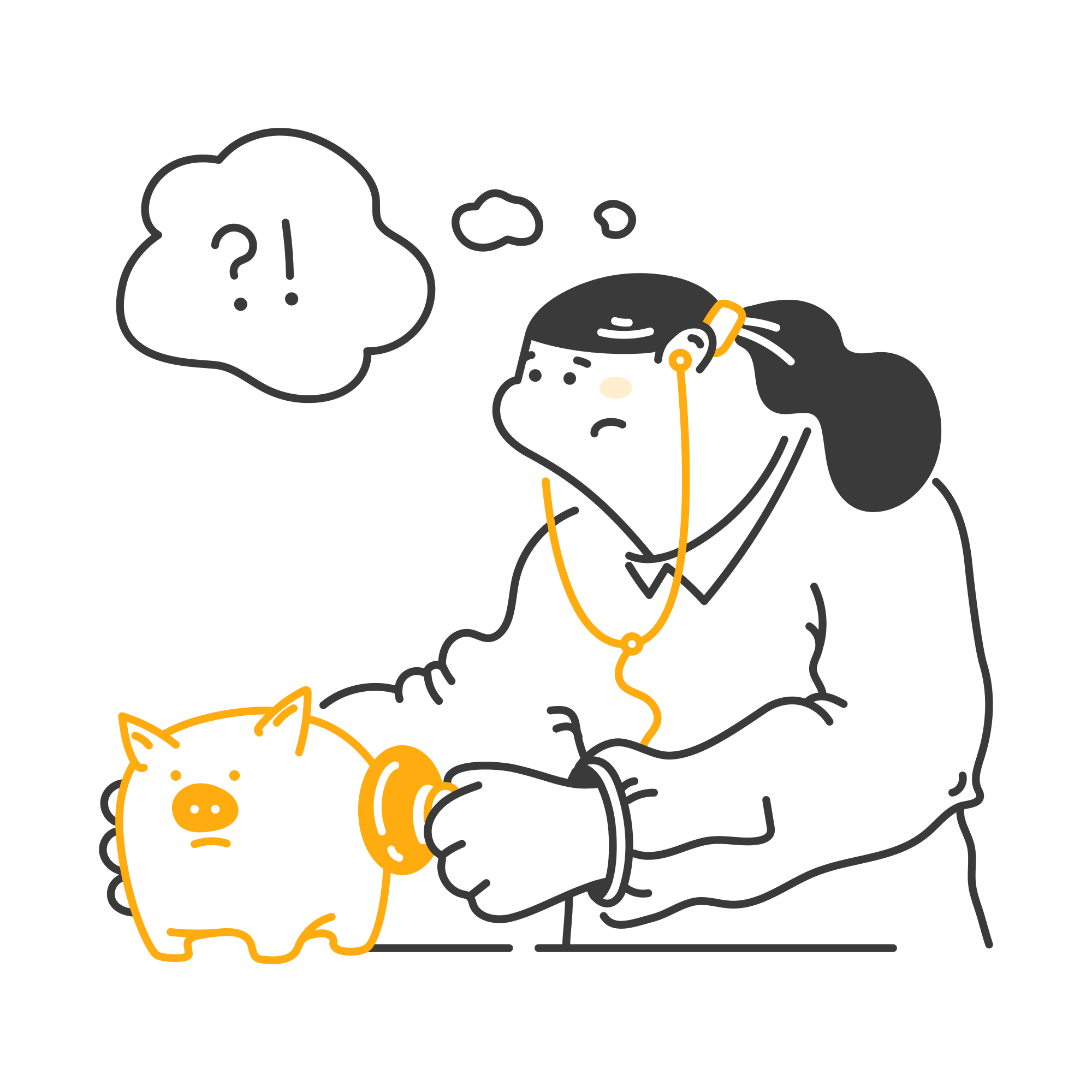
Looking closely at the problem

Result

Time and money saved

Outcome

Build the right thing

Why it matters

The problem you describe isn't always the problem.

We've seen clients who wanted a complete website rebuild when they actually needed better lead generation. Others who wanted lead generation when the real issue was positioning. Building the wrong thing wastes everyone's time.

That's why we diagnose before we build. We ask questions, look at data, and figure out what's actually causing the pain. Sometimes it's exactly what you thought. Sometimes it's something else entirely.

People who've been there

Our team has solved these problems before. That experience shows up in the questions we ask.

Data background

We started as data people. That means we know how to find evidence for what's actually happening, not just what feels true.

Business operators

We've run our own products and dealt with the same problems you're facing. We understand the pressures because we've felt them.

Direct communication

You talk to the people doing the work. No account managers, no layers. The person diagnosing your problem is the person who'll solve it.

Our commitment

We tell you what we find.

Sometimes the diagnosis confirms what you suspected. Sometimes it reveals something unexpected. Either way, we tell you the truth—even if it means the project is smaller than you thought, or different than you planned.

We'd rather give you an honest answer than take your money for work that won't solve the real problem.

How it works

You tell us what hurts. We figure out why.

Start with a conversation. Tell us what's frustrating you, what's not working, what you wish was different. We'll ask follow-up questions to understand the context.

Then we dig in. Look at the data. Talk to the right people. Map out the process. By the time we're done, we'll know exactly what's causing the problem—and we'll have ideas for how to fix it.

  • Free initial conversation.

    Tell us what's going on. We'll let you know if we can help.

  • Clear scope.

    We'll define what we're investigating and what you'll get at the end.

  • Actionable output.

    You'll understand the problem and know what to do about it—whether that's working with us or not.

Documenting findings

First step

Free conversation

Deliverable

Clear next steps

Something not working?

Tell us what's going on. We'll listen, ask questions, and give you an honest take on what we think is happening.

Start a conversation